

- OCEAN FREIGHT PEAK SEASON: FDI MANUFACTURERS NEED TO STAY PROACTIVE TO AVOID SUPPLY CHAIN DISRUPTIONS
- 1. When Does Ocean Freight Peak Season Usually Happen?
- 2. Why Do Peak Season Conditions Drive Freight Rates and Vessel Schedules Up?
- 3. What Is Rollover and Why Should FDI Manufacturers Pay Special Attention?
- 4. Shipping Routes Under the Greatest Pressure During Peak Season
- 5. What Risks Can Rollover and Sailing Delays Create?
- 6. What Should FDI Manufacturers Prepare Before Peak Season?
- 7. THT Cargo Logistics Stands with FDI Manufacturers During Freight Volatility
- Need Expert Advice on Shipping Plans During Freight Volatility?
OCEAN FREIGHT PEAK SEASON: FDI MANUFACTURERS NEED TO STAY PROACTIVE TO AVOID SUPPLY CHAIN DISRUPTIONS
Peak season in ocean freight is more than just a period of rising freight rates. For FDI manufacturers with fixed production, shipping, and delivery schedules, it is also a time when multiple risks intensify: vessel space shortages, empty container shortages, sailing schedule changes, shipment rollovers, and unexpected logistics costs.
In industrial manufacturing, a delayed shipment is not simply one missed sailing. It can affect delivery commitments to overseas customers, sales plans, distribution schedules, factory credibility, and even disrupt the production lines of the receiving partner.
For this reason, FDI enterprises should prepare their logistics plans before peak season begins in order to control costs, reduce risks, and maintain supply chain stability.
Key Point:
Peak season not only pushes freight rates higher, but also increases the risks of rollover, delay, limited space, and schedule changes. Businesses need to act early to protect delivery performance.
1. When Does Ocean Freight Peak Season Usually Happen?
Ocean freight peak season usually falls between July and October each year, when cargo demand from Asia to the United States, Europe, and other major consumer markets rises sharply in preparation for year-end shopping seasons such as Black Friday, Cyber Monday, Christmas, and other holiday periods.
For Vietnam, this is also the time when export volumes increase across many product groups, especially electronics, components, machinery, textiles, footwear, furniture, consumer goods, and industrial products.
When many businesses push cargo in a short period, pressure on shipping lines, empty containers, seaports, and inland transportation systems rises significantly. This is one of the main reasons why shipping schedules become more volatile than in off-peak months.
2. Why Do Peak Season Conditions Drive Freight Rates and Vessel Schedules Up?
During peak season, booking demand often grows faster than the market’s actual supply capacity. Vessels, empty containers, and shipping slots cannot be added immediately in a short period of time.
As vessel space fills up quickly, carriers may adjust freight rates based on supply and demand. In addition to the base ocean freight, businesses may also face peak season surcharges, container imbalance fees, port charges, or other additional costs caused by sailing schedule changes.
For businesses that book close to the departure date, do not have stable production planning, or rely entirely on spot rates for each shipment, the risk of cost volatility is much higher. In some cases, even if businesses are willing to pay higher rates, securing space on the desired vessel is still not guaranteed.
Businesses Should Monitor:
- Freight rate fluctuations by trade lane.
- Peak season surcharges.
- Additional costs caused by sailing schedule changes.
- Space availability and rollover risk.
3. What Is Rollover and Why Should FDI Manufacturers Pay Special Attention?
Rollover is the situation where a container has already been booked but is not loaded on the originally scheduled vessel and is pushed to a later sailing.
This is one of the most common risks during peak season and can have a major impact on a company’s delivery plan. Rollover may happen for many reasons, such as:
- The vessel is fully booked due to high demand.
- The carrier prioritizes customers with long-term contracts or stable volume.
- The origin port, destination port, or transshipment port is congested.
- Sailing schedules change, blank sailings occur, or service routes are adjusted.
- The cargo misses the terminal cut-off, arrives late to the yard, or documentation is completed too slowly.
- Empty containers are in short supply at certain depots or regions.
For FDI manufacturers, rollover should be viewed as a supply chain risk, not just a logistics department issue. A container being pushed to a later sailing can lead to delayed delivery, delayed assembly, delayed distribution planning, or reduced supplier performance ratings.
4. Shipping Routes Under the Greatest Pressure During Peak Season
Not every shipping lane faces the same level of pressure. However, during peak season, certain routes tend to experience much greater strain due to rising cargo demand and limited operating capacity.
Vietnam – U.S. West Coast
This is one of the largest-volume routes connecting Asia to the United States. Ports such as Los Angeles and Long Beach usually receive very high container volumes during peak season.
Shipments of electronics, furniture, consumer goods, garments, footwear, and industrial components often face strong pressure on vessel schedules and available space. For late bookings or cargo without a fixed shipping plan, the risk of rollover increases.
Vietnam – U.S. East Coast
Routes to the U.S. East Coast usually involve longer transit times and may depend on canal passages or transshipment ports. As a result, if one link in the journey is delayed, the entire delivery schedule can be affected.
For orders with tight deadlines, businesses should build in buffer time instead of relying only on theoretical transit times.
Vietnam – Europe
Major European ports such as Rotterdam, Hamburg, Antwerp, and related transshipment ports often experience high container volumes during the period leading up to the year-end selling season.
When demand rises sharply, exporters to Europe may face vessel schedule disruptions, longer transshipment times, slower cargo release, and fluctuating transportation costs.
Middle East, India, and Other Markets
Compared with the U.S. and Europe routes, the level of pressure may vary by time period. However, when cargo demand becomes concentrated in the same period, carriers may still limit space, change schedules, or prioritize customers with stable volumes.
Therefore, businesses should not only track major trade lanes but also assess risks based on each specific export-import market they work with.
5. What Risks Can Rollover and Sailing Delays Create?
When cargo is rolled over or vessel schedules change, businesses may face several unexpected consequences.
The first issue is delayed delivery to overseas customers. For manufacturers operating under fixed production plans, a shipment delay can affect contract commitments, supplier credibility, and delivery performance ratings.
The next risk is additional logistics costs, including storage charges, yard charges, container detention, inland transport adjustments, rescheduling fees, or the need to switch to another transport option at a higher cost.
More seriously, if the cargo consists of raw materials, components, or equipment used in production, delays in import schedules can directly affect the manufacturing line. In some cases, the cost of production disruption is far greater than the increase in freight charges.
This is why FDI enterprises should treat ocean freight peak season as a risk management issue, not merely a booking issue.
Common Impacts:
- Delayed delivery to buyers.
- Higher transportation and warehousing costs.
- Disruption to assembly or distribution plans.
- Interruptions in downstream supply chains.
6. What Should FDI Manufacturers Prepare Before Peak Season?
To reduce risks during peak season, businesses should take proactive steps early instead of waiting until orders arrive before searching for vessel schedules.
Plan Import and Export Activities Early
Businesses should review production plans, delivery schedules, and order forecasts before peak season. For routes to the U.S., Europe, or cargo with critical deadlines, booking earlier than usual increases the chance of securing space.
Work Proactively with Logistics Partners
Businesses should share production forecasts, shipping routes, delivery times, and cargo priorities with their logistics providers as early as possible. This allows the logistics partner to work with carriers in advance, check suitable schedules, and propose backup solutions.
Strictly Control Cut-Off Times and Documentation
During peak season, even a small documentation mistake, late container gate-in, incorrect stuffing schedule, or failure to meet cut-off time can cause the shipment to miss its intended vessel. Businesses should carefully check the commercial invoice, packing list, shipping instruction, VGM, booking confirmation, loading schedule, and container gate-in deadline.
Prepare Backup Solutions for Critical Shipments
For urgent orders, tightly committed deliveries, or cargo serving production lines, businesses should prepare alternative options in advance, such as another route, another port, another carrier, the next available sailing, or even air freight for a portion of truly urgent cargo.
Do Not Choose Based Only on the Lowest Price
During peak season, the lowest freight rate is not always the safest option. Businesses should consider freight rate, sailing stability, space allocation, transit time, transshipment risk, and the logistics provider’s ability to handle disruptions.
A cheaper option with a high rollover risk may end up costing much more overall than originally expected.
7. THT Cargo Logistics Stands with FDI Manufacturers During Freight Volatility
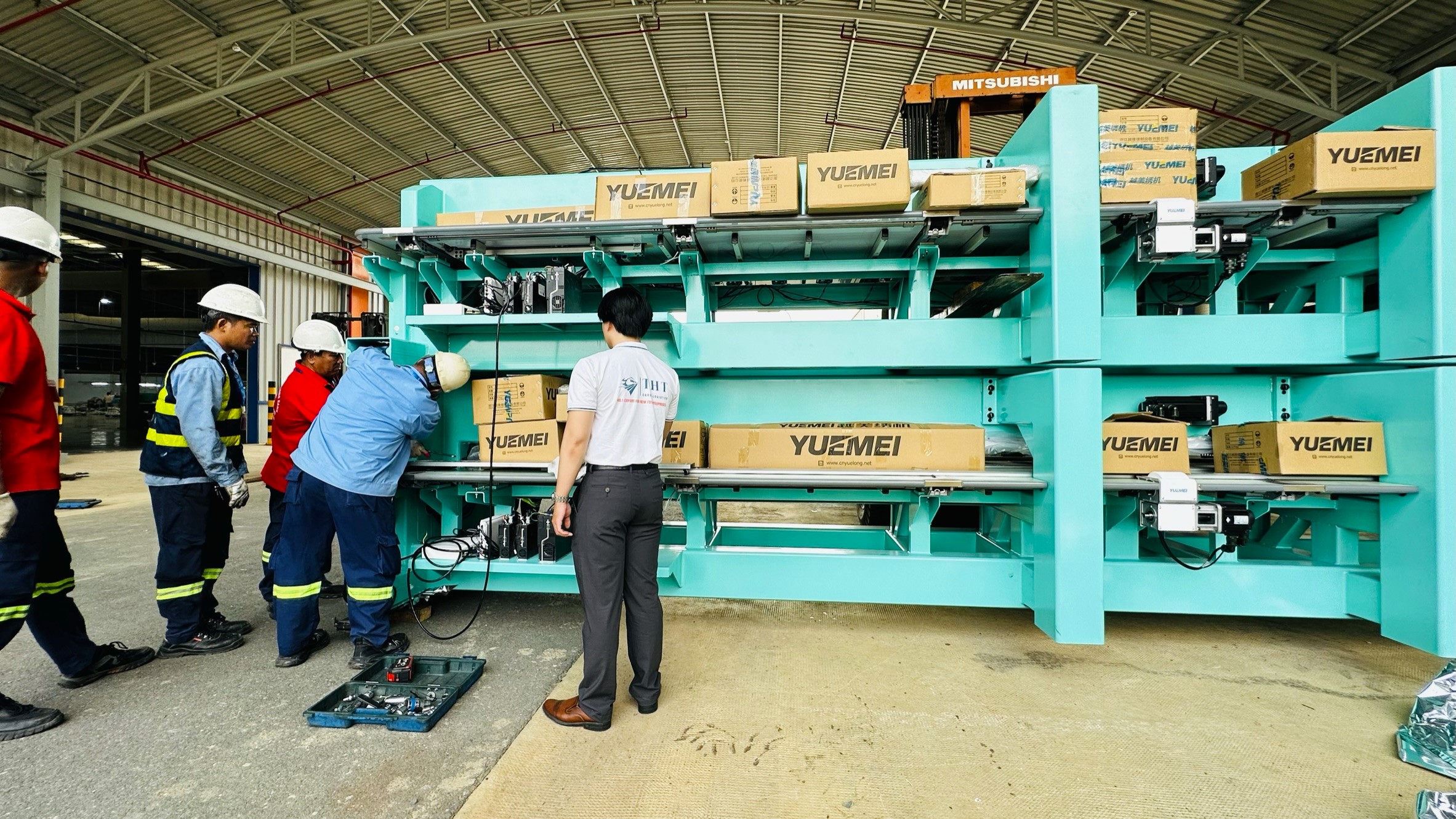
This is the time when manufacturers need a logistics partner that follows market movements on a weekly basis, advises shipping options suitable for each shipment’s characteristics, and proactively offers alternatives when rollover risk appears.
Contact THT Cargo Logistics for support with shipping solutions on both Asia–Europe and Asia–U.S. lanes, and to build a Q3 logistics plan aligned with your factory’s production schedule.
Main Message:
In a market where ocean freight conditions change constantly, proactive logistics planning helps FDI manufacturers protect production timelines, maintain delivery credibility, and stabilize the supply chain.
Need Expert Advice on Shipping Plans During Freight Volatility?
THT Cargo Logistics helps FDI manufacturers monitor ocean freight market developments, recommend the most suitable shipping routes, verify bookings, manage surcharges, and build contingency plans to reduce unexpected risks during peak season.
With extensive experience supporting FDI enterprises in electronics, machinery, chemicals, furniture, components, and industrial manufacturing, THT helps businesses stay proactive amid freight rate fluctuations, maintain delivery performance, and optimize logistics costs.
Visits: 20