

Import-export activities at enterprises, especially within the FDI sector, are becoming increasingly complex due to continuous changes in policies and compliance requirements.
Based on a quick survey conducted within the import-export professional community, THT Cargo Logistics has identified several prominent real-world challenges that businesses are currently facing.
1. The Biggest Challenge Lies Not in Operations, but in Policy Risks
The most frequently mentioned issues include:
- Government policies, laws, and administrative regulations
- Inexperienced import-export personnel
- Lack of data integration/consistency between Import-Export – Accounting – Warehouse/Production
- Warehouse / scrap / waste management
- Capabilities of customs declaration services and transport providers
- Challenges in working with Customs and specialized authorities
- Specialized inspection procedures (chemicals, precursors, inspection, conformity certification, quarantine, etc.)
- International freight issues and lack of overseas support
- Lack of support services for import-export procedures
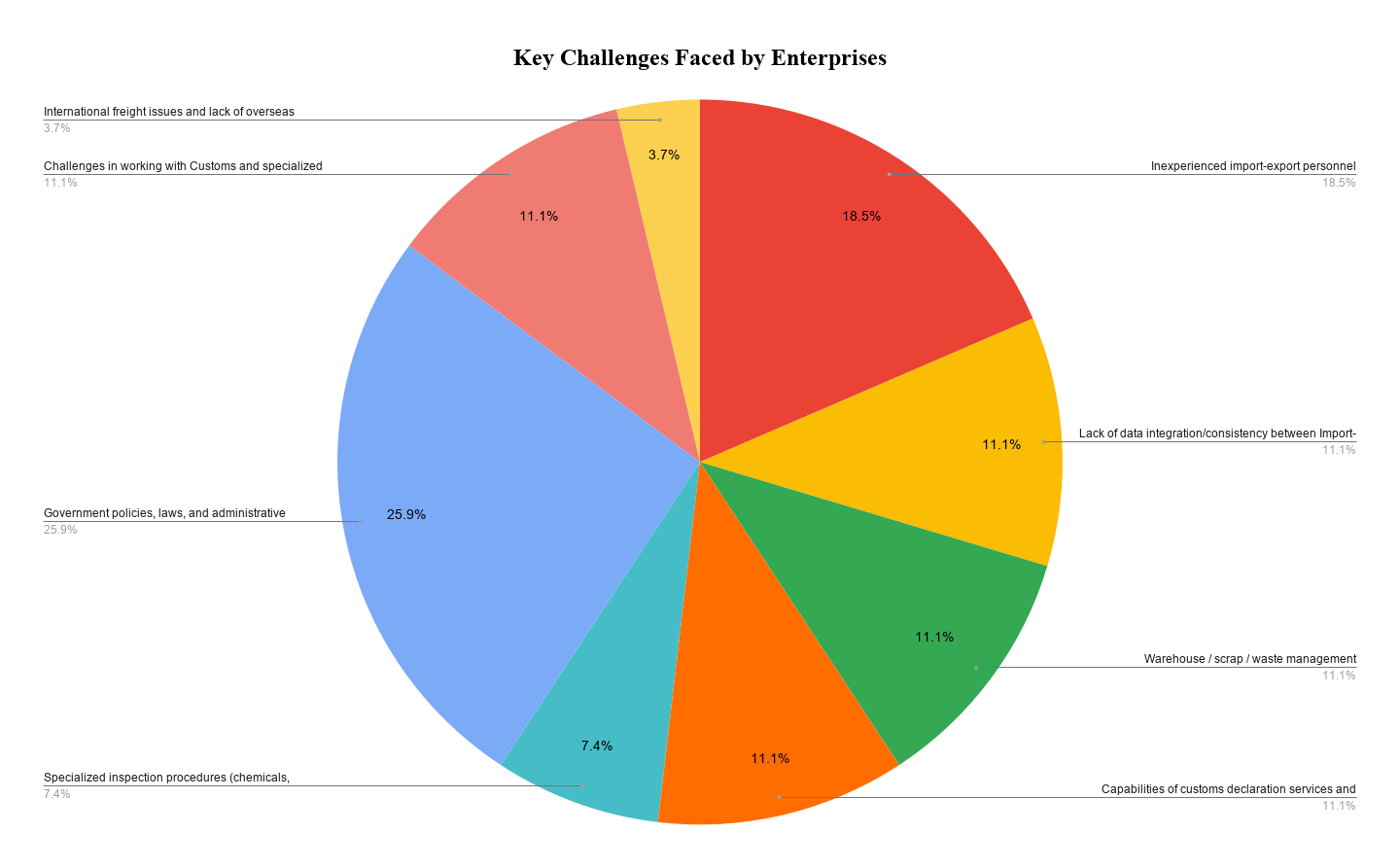
Figure 1: Policies and internal capabilities are the two most prominent challenge groups
This indicates that:
Businesses are not only struggling with “doing things right” but also with “ensuring nothing goes wrong.”
2. The Most Resource-Intensive Operations
The most time-consuming tasks include:
- HS code classification
- Final settlement reports
- Lack of understanding of specialized inspection procedures (chemicals, quarantine, inspection, etc.)
- Certificate of Origin (C/O)
- BOM development and production norms
- Lack of advisory/support services
- Preparation of import-export documentation
- Customs valuation (taxable value determination)
- Domestic transport control (vehicle info, schedules, etc.)
- Freight checking, vessel/flight schedules
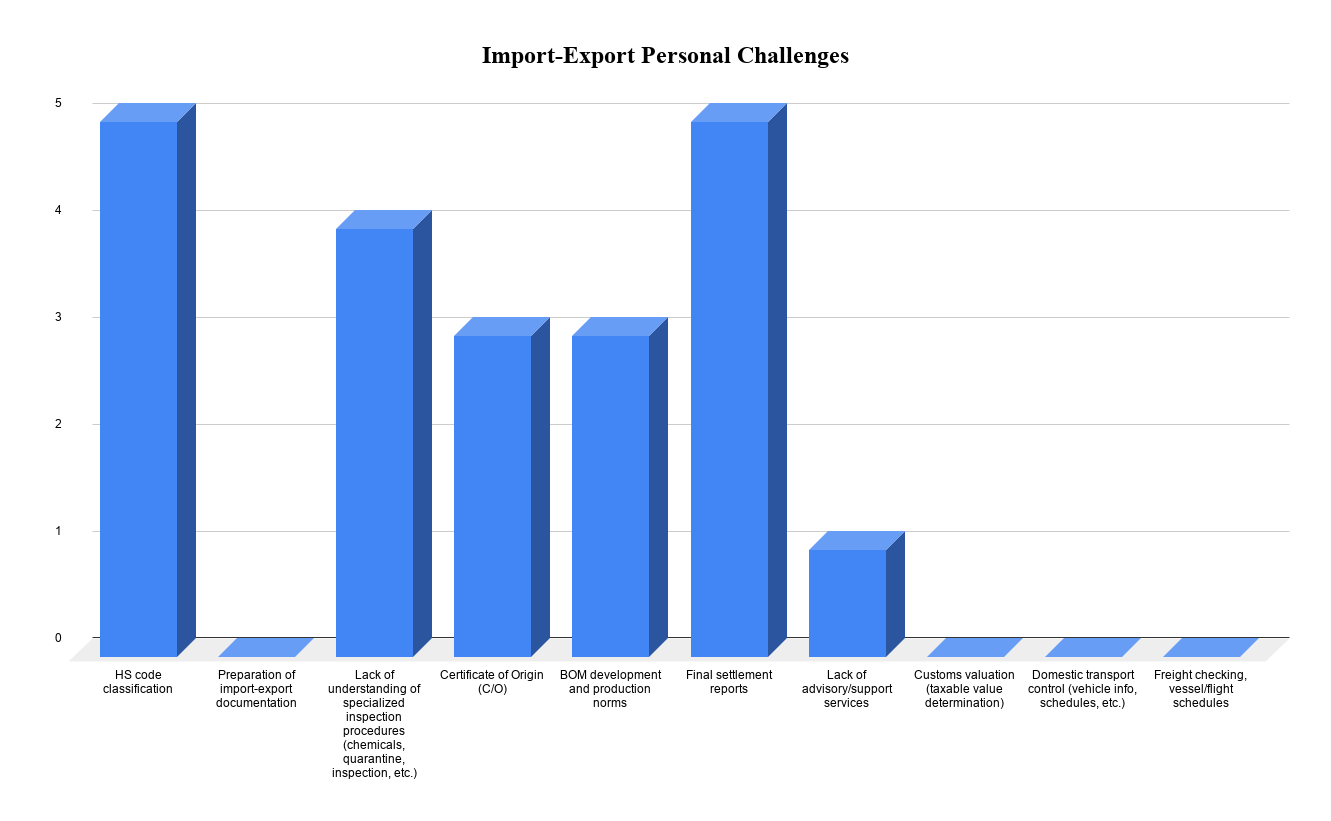
Figure 2: HS codes, settlement reports, and specialized inspections consume the most resources
These are all tasks that are:
-
Complex
-
Prone to errors
-
High-risk during inspections
3. The Greatest Need: Practical Guidance, Not Theory
Survey results show that businesses highly value:
- Support for updates on import-export laws/policies
- In-depth procedural consulting
- Real-case consulting
- Final settlement reporting
- HS code classification
- Import-export service support
- Transport service support
- Consulting on freight and international payment terms
- Investment licensing and specialized permits
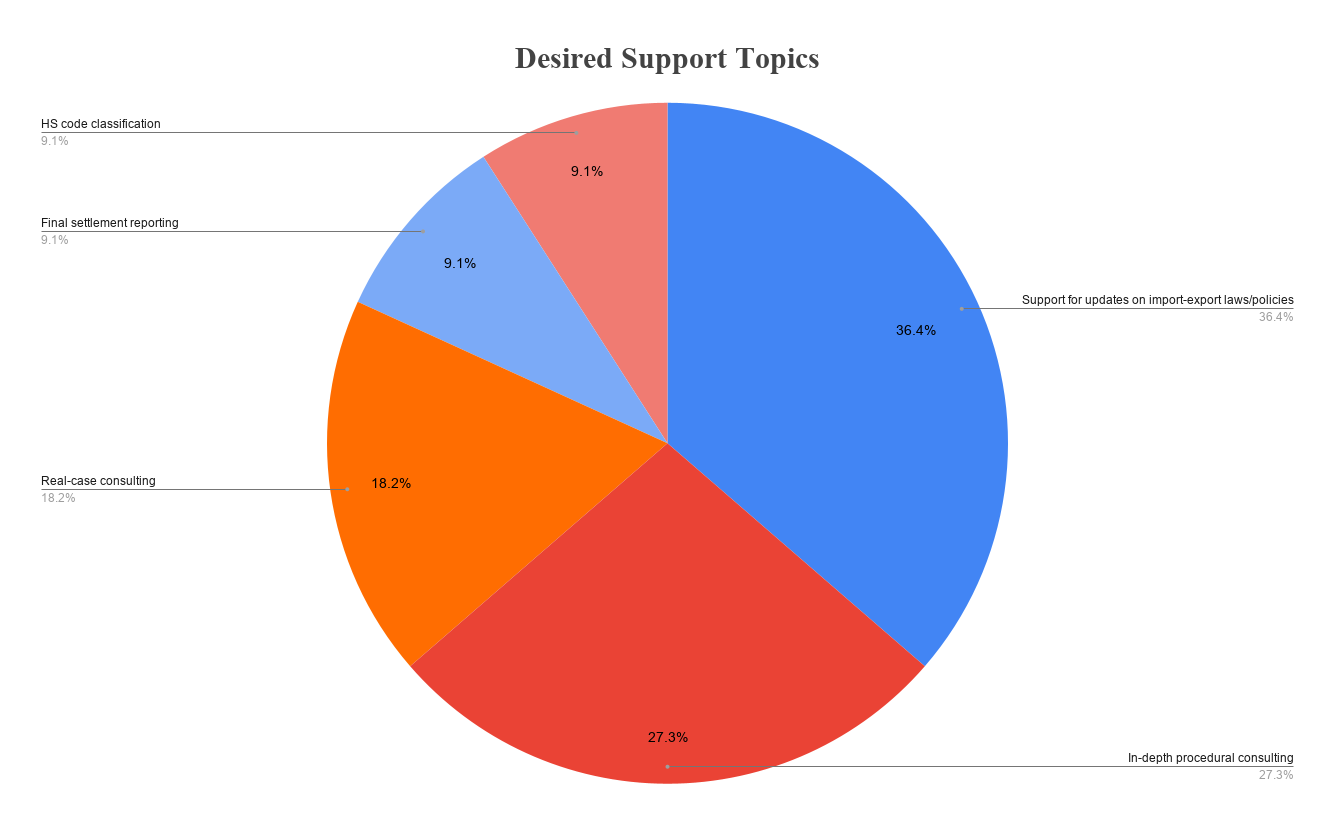
Figure 3: Businesses prioritize practical, risk-management-oriented content
This clearly reflects that:
Businesses need “applicable solutions,” not just information.
4. Upcoming Demand Trends
Key topics of interest include:
-
HS code & customs valuation
-
Post-clearance audit
-
Risk management
-
FDI enterprise processes
These are also areas where companies need to strengthen internal capabilities.
5. Insights from THT Cargo Logistics
Based on survey results and hands-on consulting experience, THT Cargo Logistics identifies three key trends in current import-export operations:
a. Compliance Risks Are Increasing
Customs procedures themselves are not overly complex, but the real challenge lies in ensuring full compliance.
In practice, many businesses face risks not during declaration, but afterward, such as:
-
Post-clearance audits
-
Tax reassessments
-
Penalties due to declaration errors
Therefore, the key is not just “getting things done,” but doing them correctly and managing risks from the beginning.
b. Lack of Specialized Import-Export Resources
A common issue, especially in industrial zones outside major cities, is difficulty in:
-
Recruiting experienced import-export staff
-
Maintaining a stable and capable team
In addition to geographic factors, initial operational costs also prevent businesses from investing adequately in specialized resources.
As a result, many companies operate while “learning and handling issues on their own,” which creates potential risks.
c. Growing Demand for Practical Advisory
Although the legal framework (circulars, decrees, etc.) is becoming more comprehensive, practical implementation still faces challenges such as:
-
Different interpretations among stakeholders
-
Inconsistent enforcement across regions and customs offices
-
Unclear guidance for emerging situations
Therefore, businesses cannot rely solely on regulations but must combine them with practical experience and case-based solutions.
Conclusion from THT’s Perspective
Import-export operations today are no longer just about procedural execution—they are about compliance and risk management.
Key success factors include:
-
Proper understanding of regulations
-
Integration of practical experience
-
Proactive risk control
These elements are essential for sustainable and efficient operations.
From the above challenges and trends, it is clear that import-export activities now require structured compliance and risk management strategies, rather than just procedural handling.
Each business will face unique situations and operational characteristics. Sharing practical experiences among professionals can help shorten processing time and minimize unnecessary risks.
THT Cargo Logistics is currently maintaining a free community for professionals working in import-export, especially those in manufacturing companies and FDI enterprises.
You can join to:
-
Discuss real-life cases
-
Stay updated on new policies
-
Share working experience
If you are interested, feel free to leave your information or contact THT via Zalo OA to receive details on how to join the community.
Visits: 27