

Impacts on FDI Enterprises from Official Dispatches Issued in February 2026
In February 2026, a series of official dispatches were issued and implemented, focusing on import goods labeling management, specially controlled chemicals, transactions between Export Processing Enterprises (EPEs) and domestic companies, management of used equipment, and customs declaration guidance under Circular 121/2025.
These changes reflect a trend toward enhanced control, data synchronization, and standardized management in import–export activities. For FDI enterprises, particularly manufacturing exporters, these developments create both long-term regulatory benefits and short-term adaptation pressures.
A comprehensive assessment of the impacts on FDI enterprises is necessary to proactively adjust internal processes, ensure compliance, and mitigate risks during this transitional policy phase.
I. Positive Impacts
1. Data Standardization and Transparent Management
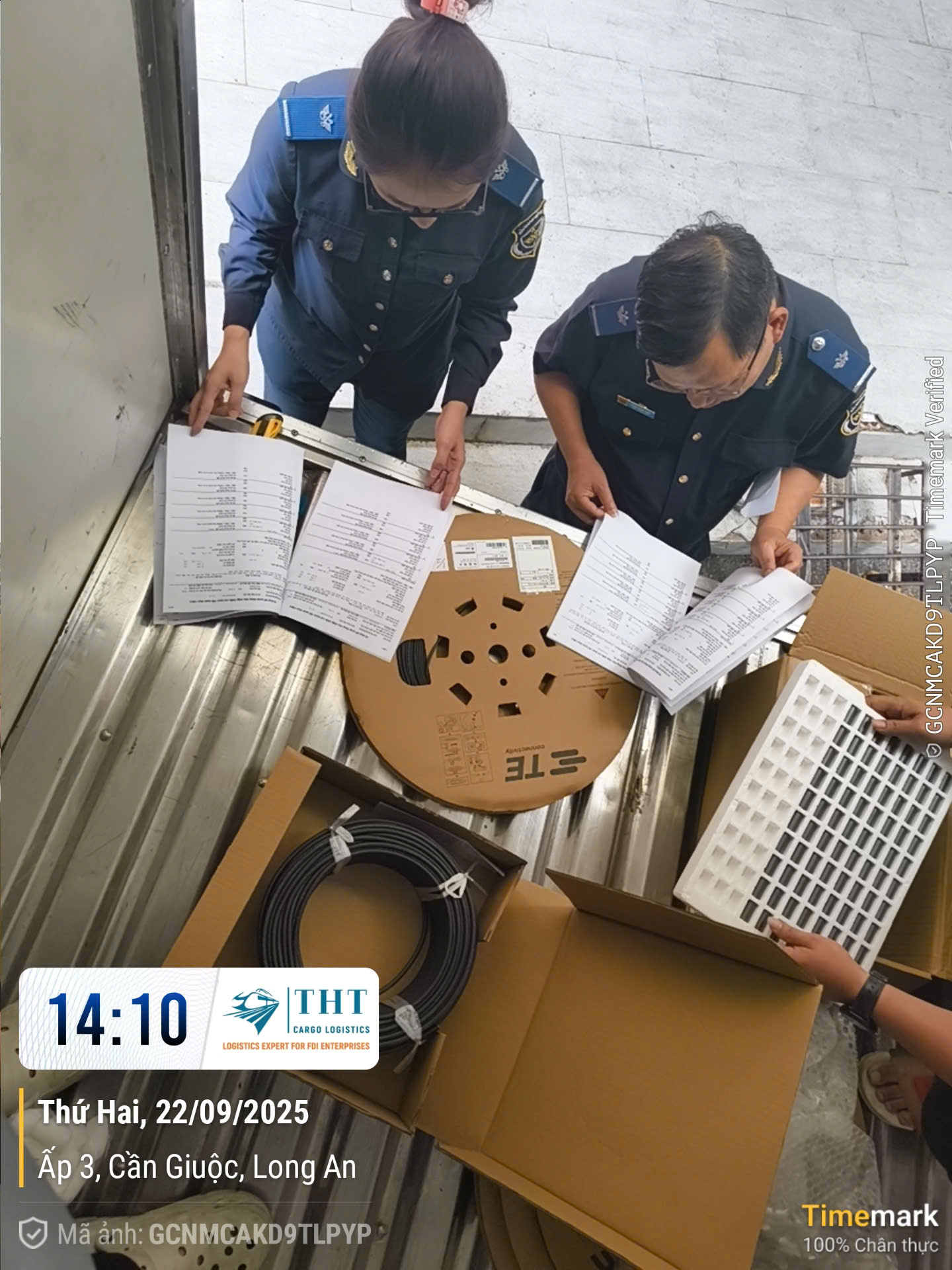
One of the key highlights of this policy rollout is the stricter management of import goods labeling and the clarification of the scope of specially controlled chemical permits.
Standardizing labeling requirements is not merely a formal requirement but plays an important role in the risk management system. When labeling data is declared fully, consistently, and accurately, regulatory authorities can:
-
Classify risks more effectively
-
Reduce inconsistent application among different local customs authorities
-
Minimize post-clearance disputes
For FDI enterprises, this brings long-term advantages. A clearer and more consistent regulatory environment reduces uncertainty in import operations, especially for companies operating global supply chains.
Clarifying the scope of application for specially controlled chemical permits also helps enterprises better understand their responsibilities, avoiding unnecessary permit applications or incorrect declaration types.
2. Clarification of Transactions Between EPEs and Domestic Enterprises
Another important development is the confirmation that transactions between non-tariff zones and the domestic market are considered import–export relationships.
This legal clarification is particularly significant for FDI enterprises operating under the export processing model. Once the nature of these transactions is clearly defined:
-
Declaration types can be standardized
-
Tax obligations and preferential policies are applied appropriately
-
Finalization data can be more strictly controlled
In the long term, this clarity reduces the risk of tax reassessment or penalties resulting from misinterpretation of transaction relationships.
II. Challenges for FDI Enterprises
In addition to the positive aspects, the February 2026 updates also create certain pressures.
1. Rapid Changes and Adaptation Pressure
The issuance of multiple official dispatches within a short timeframe makes it difficult for enterprises to update all changes promptly and comprehensively.
For FDI enterprises, particularly those operating under global management systems, any procedural adjustment typically requires:
-
Multi-level approval processes
-
Synchronization with international ERP systems
-
Internal guideline updates in multiple languages
As a result, the rapid pace of regulatory issuance may create a gap between new requirements and actual implementation.
During this transitional period, if enterprises fail to promptly adjust their declaration procedures, labeling practices, or transaction classifications, the likelihood of errors increases.
2. Increased Compliance Management Costs
The changes relating to:
-
Import goods labeling
-
Specially controlled chemical management
-
Transactions between EPEs and domestic enterprises
-
Used equipment management
-
Customs declaration guidance under Circular 121/2025
require enterprises to strengthen internal controls.
This may lead to:
-
Higher costs for legal and import–export personnel
-
Longer document review time before customs clearance
-
Additional reviews of finalization procedures
For export-oriented FDI manufacturers, even a minor delay in customs clearance can disrupt production schedules, delivery commitments, and obligations to overseas partners.
The ripple effects across global supply chains are a critical concern during this transitional regulatory period.
III. Professional Perspective
Overall, the objectives of the regulatory authorities, as reflected in the February 2026 official dispatches, are clear:
-
Strengthening control
-
Standardizing databases
-
Enhancing transparency
-
Synchronizing risk management
This direction is inevitable in the context of increasingly complex international trade and growing demands for data governance.
However, during the transition phase, enterprises need time to adapt. As technical systems and implementation guidelines continue to be refined, temporary operational challenges may arise.
Therefore, proactively updating policies, maintaining regular communication with customs authorities, and reviewing internal procedures are key measures that help FDI enterprises:
-
Minimize post-clearance audit risks
-
Reduce unnecessary compliance costs
-
Maintain supply chain stability
Conclusion
The official dispatches issued in February 2026 demonstrate a clear trend toward stricter and more standardized management in the import–export sector.
The impacts on FDI enterprises are evident on both sides: a more transparent regulatory environment in the long term, and increased compliance pressure and costs in the short term.
Properly understanding the nature of these changes and proactively adjusting internal processes will enable enterprises to minimize risks and maintain stability in their manufacturing and export operations.
If your enterprise is looking for a strategic partner in logistics and customs consulting for FDI factories, please contact THT Cargo Logistics.
With a team of highly experienced professionals, deep understanding of Vietnam customs law, and extensive experience supporting FDI enterprises, we accompany businesses in building and implementing compliant import–export systems from the very beginning.
We are committed to delivering legally compliant logistics and customs consulting solutions, long-term cost optimization, and minimized legal risks—helping enterprises focus on production and sustainable growth in Vietnam.
——✭✭✭✭✭——–
THT CARGO LOGISTICS – One-Stop Logistics Solutions for FDI Enterprises
Hotline: 028 3811 1729 / 0938 957 507
Email: tht@thtcargologs.com.vn
Zalo OA: https://zalo.me/2358013801847941851
Website: thtcargologs.com.vn
LinkedIn: https://www.linkedin.com/company/thtcargologistics
Get free consultation and tailored customs clearance solutions today!
Visits: 27