

- PEAK SEASON IN OCEAN FREIGHT: HOW FDI MANUFACTURERS CAN PREPARE TO AVOID SUPPLY CHAIN DISRUPTIONS
- 1. When Does Ocean Freight Peak Season Usually Occur?
- 2. Why Do Freight Rates and Sailing Schedules Fluctuate During Peak Season?
- 3. What Is a Rollover and Why Should FDI Manufacturers Pay Special Attention?
- 4. Shipping Routes Most Affected During Peak Season
- 4. Sea Freight Routes Under the Greatest Pressure During Peak Season
- 5. What Risks Can Rollover and Vessel Schedule Delays Cause?
- 6. How Should FDI Manufacturers Prepare Before Peak Season?
- 7. THT Cargo Logistics Supports Manufacturers Throughout Peak Season
- Need Expert Advice for Peak Season Shipping?
PEAK SEASON IN OCEAN FREIGHT: HOW FDI MANUFACTURERS CAN PREPARE TO AVOID SUPPLY CHAIN DISRUPTIONS
Peak season in ocean freight is more than just a period of rising freight rates. For FDI manufacturers operating with fixed production, shipping, and delivery schedules, it is also a time when supply chain risks increase significantly, including limited vessel capacity, shortages of empty containers, schedule changes, shipment rollovers, and unexpected logistics costs.
In industrial manufacturing, a delayed export shipment is far more than simply missing one vessel. It can impact delivery commitments to overseas buyers, sales plans, distribution schedules, factory credibility, and even disrupt production lines at the destination.
For this reason, preparing a logistics plan before the peak shipping season is essential for FDI enterprises to control costs, minimize risks, and maintain supply chain stability.
Key Takeaway:
Peak season not only drives freight rates higher but also increases the risks of rollovers, shipment delays, limited vessel space, and schedule changes. Early planning is essential to keep export operations on schedule.
1. When Does Ocean Freight Peak Season Usually Occur?
Ocean freight peak season generally takes place between July and October each year, when cargo demand from Asia to the United States, Europe, and other major consumer markets rises sharply in preparation for year-end shopping events such as Black Friday, Cyber Monday, Christmas, and other holiday seasons.
For Vietnam, this is also the period when export volumes increase across many industries, particularly electronics, industrial components, machinery, textiles, footwear, furniture, consumer goods, and other manufacturing products.
As many exporters ship within a relatively short period, pressure on shipping lines, empty container availability, ports, and inland transportation networks increases substantially. Consequently, shipping schedules become much more volatile compared to off-peak periods.
2. Why Do Freight Rates and Sailing Schedules Fluctuate During Peak Season?
During peak season, booking demand often grows faster than the market’s actual transportation capacity. Additional vessels, empty containers, and shipping slots cannot be deployed immediately to meet the surge in demand.
As vessel space fills quickly, carriers may adjust freight rates according to market supply and demand. Besides the base ocean freight, exporters may also face Peak Season Surcharges (PSS), Container Imbalance Charges (CIC), port-related surcharges, and additional costs caused by schedule changes.
Companies that make last-minute bookings, lack stable shipping forecasts, or rely entirely on spot freight rates generally face higher cost volatility. In some cases, even accepting higher freight rates does not guarantee space on the desired vessel.
What Manufacturers Should Monitor:
- Freight rate fluctuations by trade lane.
- Peak season surcharges.
- Additional costs resulting from vessel schedule changes.
- Space availability and rollover risks.
3. What Is a Rollover and Why Should FDI Manufacturers Pay Special Attention?
A rollover occurs when a container has already been booked but cannot be loaded onto the originally scheduled vessel and is postponed to a later sailing.
This is one of the most common risks during peak season and can significantly affect delivery schedules. Rollovers may result from several factors, including:
- Vessels reaching full capacity because of increased booking demand.
- Shipping lines prioritizing customers with long-term contracts or stable cargo volumes.
- Congestion at origin ports, destination ports, or transshipment hubs.
- Schedule adjustments, blank sailings, or service route changes.
- Late cargo delivery to the terminal, missed cut-off times, or incomplete documentation.
- Limited availability of empty containers at certain depots or locations.
For FDI manufacturers, rollover should be considered a supply chain management risk rather than merely a logistics issue. A delayed container may lead to postponed deliveries, production delays, assembly disruptions, distribution schedule changes, and lower supplier performance evaluations.
4. Shipping Routes Most Affected During Peak Season
Not all trade lanes experience the same level of pressure. However, during peak season, several major export routes usually face greater operational challenges due to increased cargo demand and limited transportation capacity.
Vietnam – U.S. West Coast
This is one of the busiest shipping routes connecting Asia with the United States. Ports such as Los Angeles and Long Beach typically handle extremely high container volumes during the peak shipping season.
Electronics, furniture, consumer goods, garments, footwear, and industrial components are among the commodities most affected by vessel capacity limitations. Late bookings or shipments without long-term planning are generally more vulnerable to rollovers.
Vietnam – U.S. East Coast
Shipments to the U.S. East Coast usually involve longer transit times and may depend on canal crossings or transshipment ports. Therefore, delays at any stage of the route can impact the entire delivery schedule.
For time-sensitive shipments, manufacturers should always include sufficient buffer time rather than relying solely on the published transit time.
Vietnam – Europe
Major European ports such as Rotterdam, Hamburg, Antwerp, and their associated transshipment hubs typically experience heavy container volumes before the year-end retail season.
As shipping demand increases, exporters may encounter schedule changes, longer transshipment times, cargo release delays, and higher transportation costs.
Middle East, India, and Other Markets
Although these routes may not experience the same level of congestion as the U.S. or Europe, they can still face capacity constraints during periods of concentrated cargo demand. Shipping lines may reduce available slots, adjust sailing schedules, or prioritize customers with stable shipping volumes.
Therefore, manufacturers should evaluate risks based on their own export markets rather than focusing only on the largest global trade lanes.
4. Sea Freight Routes Under the Greatest Pressure During Peak Season
Not all shipping routes face the same level of risk. However, during peak season, certain trade lanes experience significantly higher pressure due to increased cargo demand and limited carrier capacity.
Vietnam – U.S. West Coast
This is one of the busiest trade lanes connecting Asia with the United States. Ports such as Los Angeles and Long Beach typically handle extremely high container volumes during the peak shipping season.
Export shipments including electronics, furniture, consumer goods, garments, footwear, and industrial components often face intense competition for vessel space. Bookings made at the last minute or without stable shipping plans are more likely to experience rollover.
Vietnam – U.S. East Coast
Shipments to the U.S. East Coast generally have longer transit times and may rely on canal crossings or transshipment ports. As a result, delays at any point along the route can impact the entire delivery schedule.
For time-sensitive cargo, manufacturers should include sufficient buffer time instead of relying solely on standard transit schedules.
Vietnam – Europe
Major European ports such as Rotterdam, Hamburg, Antwerp, and their associated transshipment hubs usually experience significant congestion during the preparation period for year-end retail demand.
As shipping volumes increase, exporters to Europe may encounter schedule changes, longer transshipment times, slower cargo release, and higher freight costs.
Middle East, India, and Other Markets
Compared with U.S. and European routes, market conditions may vary depending on the destination and timing. Nevertheless, during peak season, carriers may still limit available slots, adjust sailing schedules, or prioritize customers with stable shipment volumes.
Therefore, manufacturers should assess logistics risks based on their specific export markets rather than focusing only on major trade lanes.
5. What Risks Can Rollover and Vessel Schedule Delays Cause?
When containers are rolled over or vessel schedules change, manufacturers may face a range of unexpected consequences throughout their supply chains.
The most immediate impact is delayed delivery to overseas customers. For manufacturers operating under fixed production schedules, shipment delays can affect contractual commitments, supplier performance ratings, and customer satisfaction.
Additional logistics costs may also arise, including warehouse storage, container detention, demurrage, inland transportation adjustments, rescheduling fees, or the need to switch to more expensive transportation alternatives.
More critically, if delayed shipments contain raw materials, production components, or manufacturing equipment, import delays may directly interrupt production lines. In many cases, the financial impact of production downtime can far exceed the increase in freight costs.
For this reason, FDI manufacturers should treat peak shipping season as a supply chain risk management issue rather than simply a booking challenge.
- Delayed deliveries to overseas buyers.
- Higher freight, storage, and handling costs.
- Disruptions to assembly and distribution schedules.
- Supply chain interruptions at the destination.
6. How Should FDI Manufacturers Prepare Before Peak Season?
To minimize risks during the peak shipping season, manufacturers should take proactive measures well in advance instead of waiting until new orders arrive before arranging shipments.
Plan Import and Export Activities Early
Manufacturers should review production schedules, delivery commitments, and shipment forecasts before peak season begins. For cargo bound for the U.S., Europe, or other time-sensitive destinations, early booking significantly increases the chance of securing vessel space.
Work Closely with Logistics Partners
Sharing shipment forecasts, destinations, delivery schedules, and cargo priorities with logistics providers allows them to coordinate with shipping lines in advance, identify suitable sailings, and prepare contingency plans when necessary.
Strictly Control Cut-Off Times and Documentation
During peak season, even minor documentation errors, late container gate-in, incorrect loading schedules, or missing cut-off deadlines can cause shipments to miss their intended vessel.
Manufacturers should carefully verify commercial invoices, packing lists, shipping instructions, VGM declarations, booking confirmations, stuffing schedules, and container gate-in deadlines before shipment.
Prepare Backup Plans for Critical Shipments
For urgent cargo, contract-critical shipments, or materials supporting production lines, manufacturers should prepare alternative shipping options in advance, including different carriers, ports, sailing schedules, or even partial air freight solutions for highly urgent cargo.
Do Not Base Decisions Solely on the Lowest Freight Rate
During peak season, the lowest freight rate is not always the safest option. Manufacturers should evaluate freight costs together with schedule reliability, vessel space availability, transit time, transshipment risks, and the logistics provider’s ability to handle unexpected situations.
A lower-cost solution with a high rollover risk may ultimately result in significantly higher total logistics costs.
7. THT Cargo Logistics Supports Manufacturers Throughout Peak Season
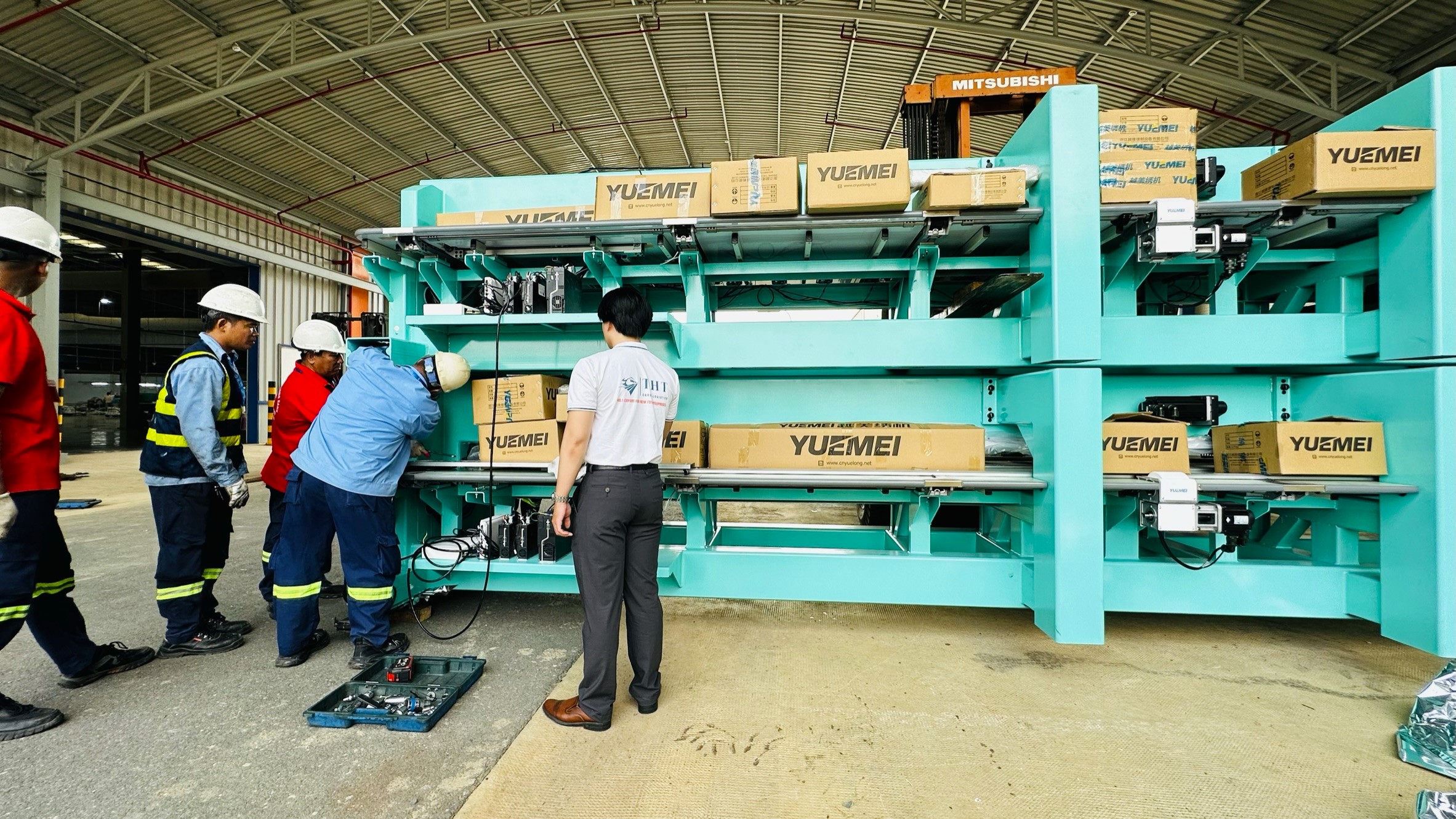
Peak season requires manufacturers to manage logistics more proactively than usual. Early planning, selecting appropriate shipping routes, maintaining documentation accuracy, and preparing backup solutions help reduce rollover risks, minimize unexpected costs, and maintain delivery performance.
With extensive experience supporting FDI manufacturers in industries including electronics, machinery, chemicals, furniture, industrial components, and manufacturing, THT Cargo Logistics provides comprehensive assistance in:
- Reviewing transportation plans before peak season.
- Recommending the most suitable ocean freight routes for each market.
- Checking vessel schedules, space availability, and booking strategies.
- Monitoring cut-off deadlines, container gate-in schedules, and equipment availability.
- Providing alternative transportation solutions when market conditions change.
- Coordinating issue resolution to minimize impacts on delivery schedules.
In today’s constantly changing ocean freight market, proactive logistics planning is one of the most effective ways for FDI manufacturers to protect production schedules, maintain delivery performance, and build a more resilient supply chain.
Need Expert Advice for Peak Season Shipping?
THT Cargo Logistics helps manufacturers review transportation plans, select the most appropriate ocean freight routes, monitor vessel schedules, and develop contingency strategies to minimize rollover risks, shipment delays, and unexpected logistics costs.
With extensive experience supporting FDI manufacturers across electronics, machinery, chemicals, furniture, industrial components, and other manufacturing sectors, THT helps businesses stay proactive during peak season while maintaining a stable and efficient supply chain.
Visits: 18