



- CHECKLIST BEFORE SHIPPING AIR CARGO: 7 STEPS TO HELP FDI MANUFACTURERS REDUCE ROLL-OVER AND DELAY RISKS
- 1. Identify the Cargo Type Clearly
- 2. Recheck Actual Dimensions and Weight
- 3. Check Cargo Documents Before the Shipment Goes to the Airport
- 4. Check Flight Capacity Before Committing the Timeline
- 5. Review the Transit Routing if the Shipment Is Not Direct
- 6. Choose the Right Service from the Beginning
- 7. Always Prepare a Backup Plan
- Air Cargo Is Fast, But One Small Mistake Can Affect the Whole Timeline
- THT Cargo Logistics Supports Manufacturers in Every Air Cargo Shipment
- Need Support to Optimize Your Air Cargo Shipment Plan?
CHECKLIST BEFORE SHIPPING AIR CARGO: 7 STEPS TO HELP FDI MANUFACTURERS REDUCE ROLL-OVER AND DELAY RISKS
For FDI manufacturers exporting goods by air, especially urgent shipments, samples, components, machinery, equipment, or orders with strict delivery deadlines, proper preparation before booking is very important.
Many air cargo shipments are delayed, generate extra costs, or get rolled to the next flight not only because of flight issues, but also because the shipment was not prepared carefully from the beginning. A small mistake in cargo declaration, dimension checking, service selection, or last-minute booking can directly affect the delivery timeline.
Below is a practical checklist that manufacturers should review before confirming an air cargo shipment.
1. Identify the Cargo Type Clearly
Before booking, the shipper should clearly identify what type of cargo is being shipped, such as:
- General cargo
- Battery cargo
- Liquid cargo
- Chemical cargo
- Fragile cargo
- Machinery or equipment
- Electronic components
- High-value cargo
- Cargo requiring special handling or transport conditions
Unclear or incomplete cargo declaration may cause the shipment to be held during security screening, require additional documents, or go through extra inspection.
For air cargo, the more accurate the cargo description is, the faster and safer the handling process will be.
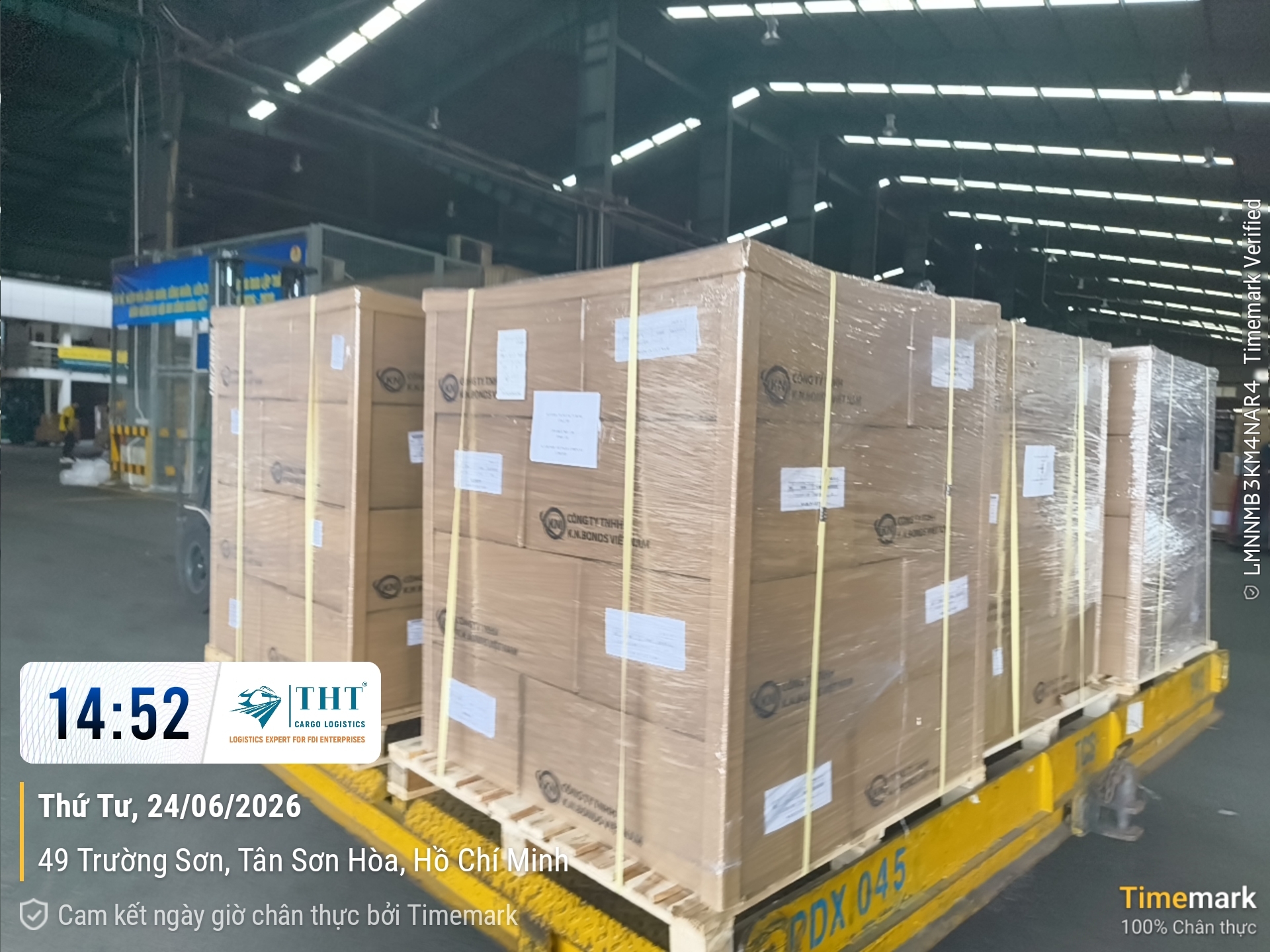
2. Recheck Actual Dimensions and Weight
A common mistake is using the initial cargo data without rechecking after final packing.
In air freight, charges are calculated based on chargeable weight, which is determined by either the actual gross weight or the volumetric weight, whichever is higher.
Before confirming the shipment, the manufacturer should recheck:
- Number of packages
- Gross weight
- Dimensions of each package
- Packing type
- Palletized or non-palletized cargo
- Oversized, overweight, or irregular packages
If the dimensions or weight are incorrect, the quotation may change, and the airline loading plan may also be affected.
Therefore, all dimensions and weight should be checked again after packing is completed to avoid unexpected cost or loading issues.
3. Check Cargo Documents Before the Shipment Goes to the Airport
A common issue with air export shipments is that the cargo is ready, but the documents do not match or are missing key information.
Businesses should check the following in advance:
- Invoice
- Packing List
- Shipper/consignee information
- HS code if needed
- Cargo description
- Number of packages, weight, and dimensions
- Incoterms / delivery terms
- Special documents if the cargo includes batteries, chemicals, liquids, or regulated goods
Clear documentation from the start helps reduce the need for amendments, supplements, or waiting for confirmation once the shipment enters export processing.
4. Check Flight Capacity Before Committing the Timeline
A flight schedule does not necessarily mean space is available.
Before committing delivery times to overseas buyers, the manufacturer should check:
- Whether the flight still has available capacity
- Whether the space has been confirmed
- Whether the route is in peak season
- Whether there is a risk of roll-over
- Flight cut-off time
For air cargo, especially on hot routes or during peak season, overbooking can happen. If the shipper only looks at the schedule without checking actual flight capacity, the delivery timeline may be committed too early.
5. Review the Transit Routing if the Shipment Is Not Direct
Not every shipment moves on a direct flight. For transit shipments, it is important to review the full routing, not only the first leg.
Key items to check:
- Transit hub
- Connection time
- Total transit time
- Route stability
- Congestion risk at the transit hub
- Possible delay at the connection point
In practice, delays often happen at the transit point, not necessarily at the origin airport. If the connection time is too short or the transit hub is frequently overloaded, the risk of delay will increase significantly.
Therefore, besides the flight schedule, the shipper should also consider the handling reliability of the entire route.
6. Choose the Right Service from the Beginning
Not every air shipment requires the same type of service. Before booking, the manufacturer should define the main priority of the shipment:
- Speed
- Space certainty
- Cost optimization
- Balance between timeline and budget
- Strict delivery deadline
If the shipment is urgent, the manufacturer should prioritize services with better space protection or faster handling, such as BSA, priority, or express service, depending on the route and cargo requirement.
If the shipment is not extremely urgent, the manufacturer may consider a more cost-optimized option.
Choosing the right service from the beginning is much more effective than changing the plan when the cargo is already ready for export.
7. Always Prepare a Backup Plan
A good air cargo shipment should not rely on only one plan.
If the first flight cannot load the cargo, the manufacturer should already know:
- Which next flight can be used
- Which alternative airline is available
- Whether another transit route is possible
- Whether the shipment can be split if needed
- How long the delay may be
- Whether the delay will affect the buyer’s delivery schedule
- What additional cost may occur if the plan changes
Having a backup plan in advance is always more cost-effective and efficient than reacting only after an issue happens.
Air Cargo Is Fast, But One Small Mistake Can Affect the Whole Timeline
Air cargo is a fast transportation solution, but speed only works when the shipment is prepared properly from the beginning.
A small mistake such as inaccurate cargo declaration, incorrect weight calculation, unsuitable service selection, or last-minute booking can cause the entire delivery timeline to shift.
A clear checklist before confirming the shipment helps manufacturers reduce risk, limit unexpected costs, and stay more proactive in their export planning.
THT Cargo Logistics Supports Manufacturers in Every Air Cargo Shipment
With experience supporting many FDI manufacturers and export-import companies in industries such as electronics, mechanical parts, chemicals, machinery, components, and high-value cargo, THT Cargo Logistics provides flexible air freight solutions based on each shipment’s real requirements.
Our team supports manufacturers from cargo type consultation, transport requirement checking, service selection, flight capacity monitoring, to backup planning when the schedule changes.
If your company has an air export shipment or needs advice on how to reduce roll-over and delay risks, please contact THT Cargo Logistics for fast and professional support.
Need Support to Optimize Your Air Cargo Shipment Plan?
THT Cargo Logistics helps businesses select the right air freight solution, check transport requirements, monitor flight capacity, and prepare backup plans to minimize roll-over, delay, and unexpected costs.
With experience supporting FDI manufacturers in electronics, mechanical engineering, machinery, components, chemicals, and high-value cargo, THT helps businesses stay proactive and maintain better control over export timelines.
Visits: 0