

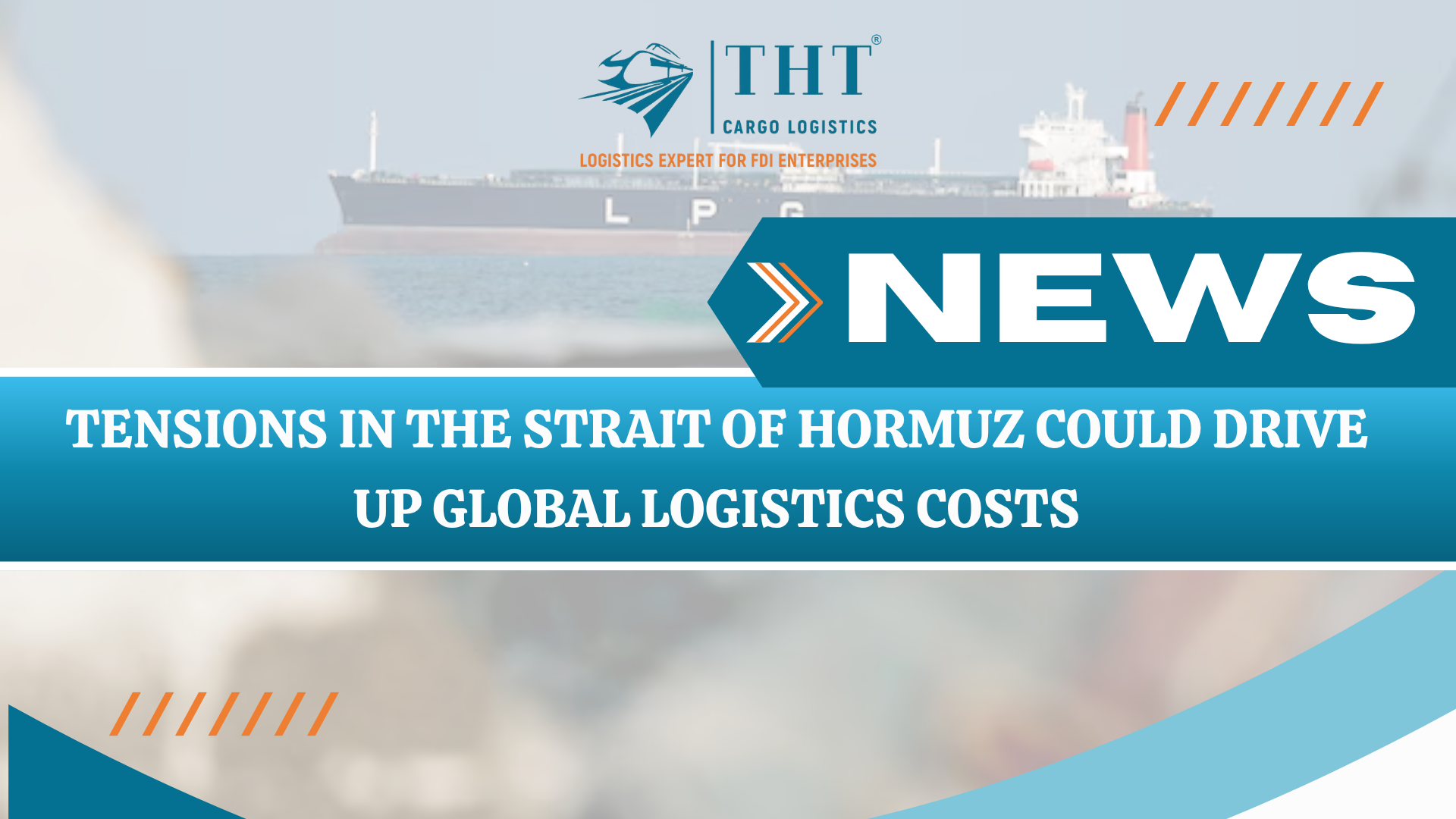
Tensions in the Strait of Hormuz Could Drive Up Global Logistics Costs
Geopolitical tensions in the Middle East continue to escalate as Donald Trump issued an ultimatum demanding that Iran fully reopen shipping routes through the Strait of Hormuz within 48 hours, or the United States may take military action targeting Iran’s energy infrastructure.
This development has raised concerns about potential disruptions to one of the world’s most critical energy shipping routes, which could directly impact ocean freight, air cargo, and global logistics costs.
Strait of Hormuz – The World’s Most Important Energy Shipping Route
The Strait of Hormuz is a strategic maritime route connecting the Persian Gulf with international shipping lanes. Approximately 20% of global oil supply passes through this route, making it one of the most critical chokepoints in the global energy supply chain.
Any disruption in this area could lead to:
- Rising oil prices
- Increased fuel costs for transportation
- Higher ocean and air freight rates
- Delivery delays
- Global supply chain disruptions
Although Iran has stated that the strait remains open to international vessels, the possibility of restricting ships from certain countries is considered a factor that increases risks for international shipping.
Impact on Ocean Freight
If tensions continue to escalate, ocean freight will likely be the first sector affected.
Possible impacts include:
- Oil tankers and container vessels avoiding the Middle East region
- Shipping lines adjusting transport routes
- Significant increases in marine insurance premiums
- Additional war risk surcharges
- Some shipping lines may temporarily suspend Middle East services
- Rising oil prices leading to higher bunker surcharges
As fuel and insurance costs increase, ocean freight rates typically rise accordingly, directly affecting import-export costs for businesses.
Impact on Air Freight
In addition to ocean freight, air cargo is also affected as many airlines are forced to avoid Middle Eastern airspace.
This results in:
- Longer flight routes
- Increased fuel costs
- Longer transit times
- Higher air freight rates
Since many Asia–Europe routes pass through the Middle East, flight rerouting could significantly impact global air cargo capacity.
Geopolitics Is Becoming the Dominant Factor in Global Logistics
Developments surrounding the Strait of Hormuz highlight a major trend in the logistics industry in recent years: geopolitics is becoming the most influential factor affecting global supply chains.
Key factors currently impacting logistics include:
- Conflicts and wars
- Oil and energy prices
- Shipping route disruptions
- Insurance and maritime security risks
- Trade policies and sanctions
Many experts believe global supply chains are entering a new phase, where logistics is no longer optimized based on the shortest route, but rather the safest route.
Recommendations for Import-Export Businesses
Amid geopolitical developments that may affect international transportation, import-export businesses should proactively develop contingency plans in their logistics strategies.
Some key considerations include:
- Freight rates may continue to increase
- Transit times may become longer
- Businesses should prepare rerouting options
- Monitor surcharges such as fuel surcharge and war risk surcharge
- Consider multimodal transport options (sea–air)
- Book shipments earlier to secure space
Proactive logistics planning and close market monitoring will help businesses minimize cost risks and delivery delays.
Conclusion
Shipping lines and airlines are currently adjusting logistics operations to ensure route safety and maintain service reliability amid increasing risks in the Middle East region. However, if geopolitical tensions continue, transport surcharges, fuel surcharges, and war risk surcharges are likely to be further adjusted in the near future.
As a result, global supply chains remain under significant pressure from rising operating costs, longer transit times, and the risk of route disruptions.
Therefore, import-export businesses should proactively plan shipments, monitor surcharges, and book cargo early to minimize cost and delivery risks during this period of market volatility.
If your enterprise is looking for a strategic partner in logistics and customs consulting for FDI factories, please contact THT Cargo Logistics.
With a team of highly experienced professionals, deep understanding of Vietnam customs law, and extensive experience supporting FDI enterprises, we accompany businesses in building and implementing compliant import–export systems from the very beginning.
We are committed to delivering legally compliant logistics and customs consulting solutions, long-term cost optimization, and minimized legal risks—helping enterprises focus on production and sustainable growth in Vietnam.
——✭✭✭✭✭——–
THT CARGO LOGISTICS – One-Stop Logistics Solutions for FDI Enterprises
Hotline: 028 3811 1729 / 0938 957 507
Email: tht@thtcargologs.com.vn
Zalo OA: https://zalo.me/2358013801847941851
Website: thtcargologs.com.vn
LinkedIn: https://www.linkedin.com/company/thtcargologistics
Get free consultation and tailored customs clearance solutions today!
Visits: 29